


Sitemap
Explore all our content, tours, destinations and travel guides in Rio de Janeiro.
Main Pages
Destinations in Brazil 7 destinos



Tours & Activities 13 disponibles
Excursiones (4)


Aventura (5)


Tour Full Day (1)

Free Tours (1)
Blog Articles 11 publicaciones
Corcovado Rio de Janeiro: Complete Guide to Access, Transport, and Expert Tips
How to Get to Corcovado Rio de Janeiro: Routes, Transport, and Tips to Avoid Queues Visiting Christ the Redeemer at Corcovado Rio de Janeiro is an essential experience for any traveler. As local consultants, we understand the importance of optimizing your time and budget. Here, we present the most efficient routes and practical tips to make your ascent smooth and memorable. Transport Options to Corcovado There are mainly two ways to ascend Corcovado Rio de Janeiro, each with its advantages: 1. Corcovado Train This is the most traditional and scenic option. The train departs from the Cosme Velho neighborhood and travels through Tijuca National Park, offering spectacular views along the way. It's an experience in itself. Station Location: Rua Cosme Velho, 513 - Cosme Velho. Frequency: Departures every 20-30 minutes, depending on the season. Journey Duration: Approximately 20 minutes. Advantages: Panoramic views, historical experience, direct access to the summit. Disadvantages: Can have long queues, especially during high season. 2. Official Vans The official vans are a faster and more flexible alternative. They operate from various points in the city, making access easier for those not staying near Cosme Velho. Main Departure Points: Largo do Machado (next to the subway station), Copacabana (Leme Beach, in front of the Copacabana Palace Hotel), and Paineiras (visitor center). Frequency: Constant departures, especially from the busiest points. Journey Duration: Varies depending on the departure point and traffic, but the ascent from Paineiras is quick. Advantages: Greater flexibility in departure points, generally fewer queues than the train. Disadvantages: Less scenic than the train, access to Paineiras may require additional transport if you don't take the official van from the start. Prices and Tickets Prices vary depending on the transport option and season. It is highly recommended to purchase tickets in advance to secure your spot and avoid ticket counter queues. Corcovado Train: Prices generally include round-trip transport. Check the official website for updated fares. Official Vans: The price includes transport and monument entrance. There are differentiated rates for adults, children, and seniors. Where to buy: Tickets can be purchased on the official websites of the Corcovado Train and the van concessionaires, as well as at authorized points of sale. Tips to Avoid Queues and Optimize Your Visit Corcovado Rio de Janeiro is one of the most visited tourist attractions in the world. For a more enjoyable experience, consider these tips: Visit early in the morning or late in the afternoon: The first hours (between 8 AM and 10 AM) and the last hours (from 4 PM onwards) generally have fewer crowds. Buy your tickets online in advance: This will save considerable time in queues. Consider weekdays: Avoid weekends and holidays if possible, as they are the busiest days. Check the weather: A clear day is crucial to appreciate the views. Check the forecast before you go. Bring water and sunscreen: Although the journey is short, you will be exposed to the sun. Be patient: Despite the tips, it is a popular place and there may be waits. Enjoy the atmosphere. Best Time to Visit Although Corcovado Rio de Janeiro can be visited year-round, the low season (March to June and August to November, excluding holidays) generally offers fewer crowds and potentially lower accommodation prices. The summer months (December to February) are hot and rainy, but they are also high season due to holidays. Safety Tips As in any large city, it is important to take precautions: Keep your belongings secure: Be mindful of your bags and valuables, especially in crowded areas. Use official transport: Opt for official taxi stands or recognized ride-sharing apps. Be aware of your surroundings: If you venture off the main tourist routes, do so with caution and preferably with local guides. Planning your visit to Corcovado Rio de Janeiro in advance will allow you to fully enjoy one of the wonders of the modern world. We hope this guide is of great use!
Best Time for Your Paragliding Flight in São Conrado: Climate and Ideal Seasons
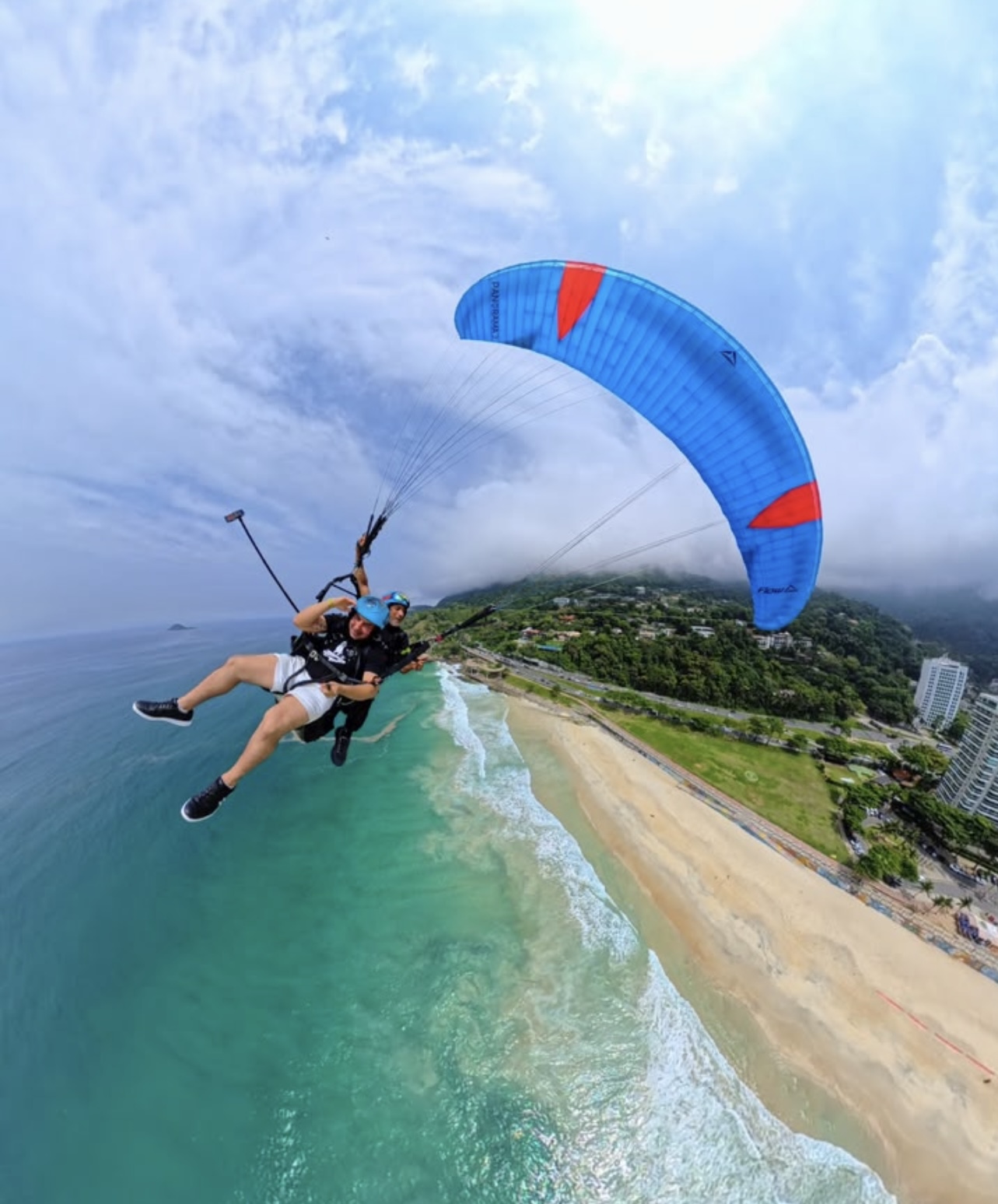
Best Time for Your Paragliding Flight in São Conrado São Conrado, with its iconic Pedra Bonita as the launch point, offers one of the most spectacular paragliding experiences in the world. To ensure your aerial adventure is as pleasant and safe as possible, understanding the climate and seasons is crucial. As local consultants, we will guide you to choose the perfect moment. Ideal Climate and Seasons Rio de Janeiro's geography, with its proximity to the sea and its mountains, creates a unique microclimate. For paragliding in São Conrado, we seek stable wind conditions and good visibility. Dry Season (April to September) This is, without a doubt, the best time to paraglide in São Conrado. During these months, the weather tends to be drier and sunnier, with generally more consistent and gentler winds. Temperatures are pleasant, ranging between 20°C and 28°C. The lower probability of rain means fewer interruptions and clearer skies, ideal for enjoying the panoramic views of the city, São Conrado beach, and the lush Tijuca Forest. Rainy Season (October to March) The summer months (December to February) are hot and humid, with a higher probability of rain and thunderstorms, especially in the afternoon. Although it's possible to fly, conditions can be more unpredictable. Mornings are usually more stable. The transition months (October, November, and March) can offer excellent days, but with a slightly higher risk of sudden weather changes. Key Climate Factors for Your Flight Wind: We look for moderate and constant winds. Very strong winds can be dangerous, while weak winds can make takeoff and flight difficult. Instructors constantly assess this. Visibility: Clear days are crucial for enjoying the scenery and for safety. The dry season offers the best visibility. Rain: Rain, especially thunderstorms, is a significant risk factor and interrupts the activity. Logistics and Additional Considerations Regardless of the season, it is always advisable to book your paragliding flight in São Conrado in advance, especially if you are traveling during high season (December-February and July). Professional paragliding companies monitor the weather daily and may reschedule flights if conditions are not ideal. Flexibility is key. Expert tip: If your trip coincides with the rainy season, try to schedule your flight for early in the morning. Conditions are usually more stable before the day's heat generates potential thunderstorms. Prices and Tickets Prices for a tandem paragliding flight in São Conrado generally range between R$300 and R$500, depending on the company, whether photos/videos are included, and the flight duration. There is no specific 'entrance fee' for the activity, but you will need to book the service with a certified school or company. Make sure they include transportation to the launch point. Safety Tips Safety is paramount. Always choose licensed operators with proven experience. Ensure they provide all necessary safety equipment and give a clear briefing before the flight. Listen carefully to your pilot's instructions. In summary, for an optimal paragliding experience in São Conrado, the dry season (April to September) offers the most favorable weather conditions. However, with proper planning and the choice of a reliable operator, it is possible to enjoy this aerial adventure year-round.
Hang Gliding in São Conrado: The Best Time to Fly and Enjoy Unique Views
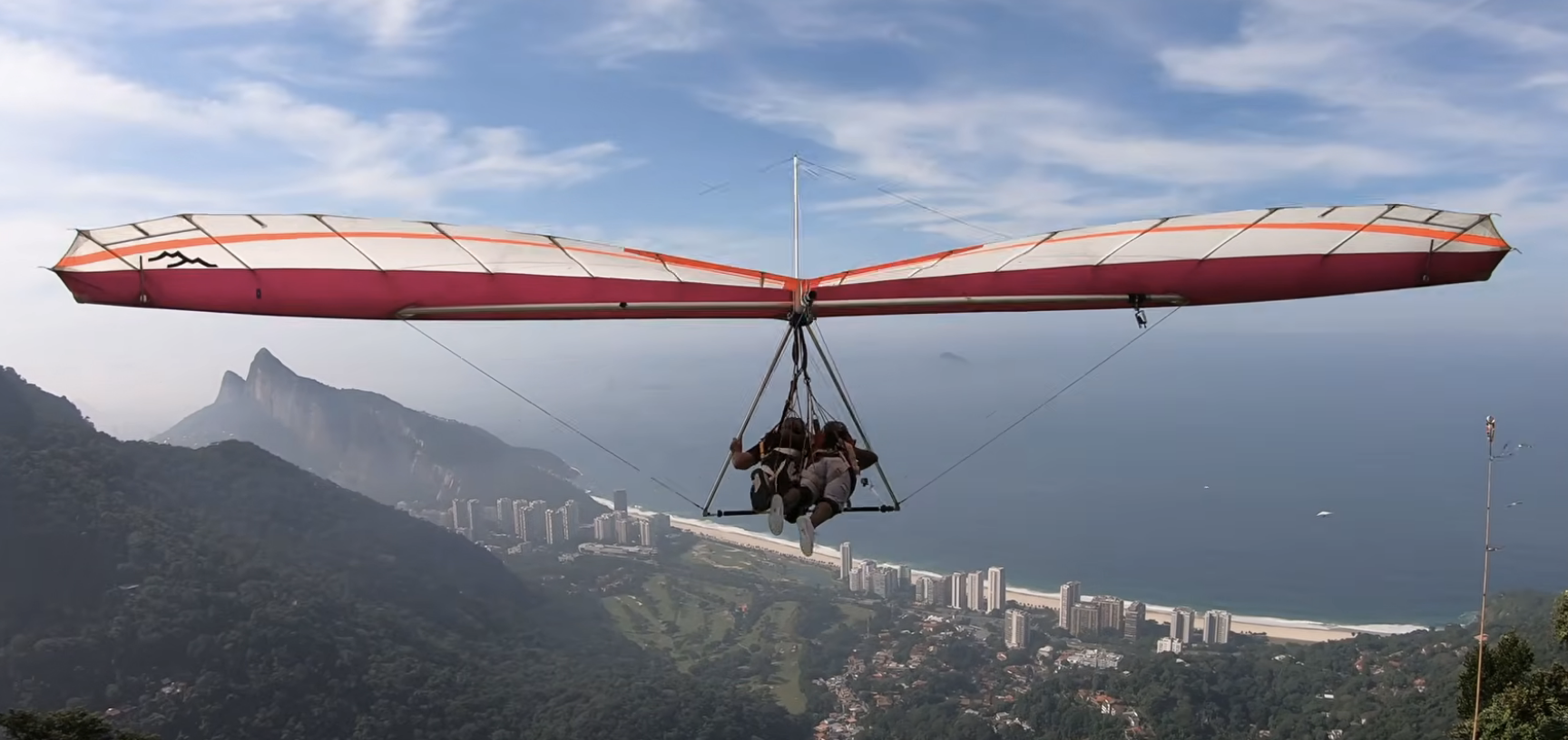
Best Time to Hang Glide in São Conrado For those seeking the experience of hang gliding in São Conrado, choosing the right moment is crucial to ensure not only safety but also the quality of the views and the likelihood of optimal flying conditions. São Conrado, with its iconic launch ramp and the majestic view of Pedra da Gávea and the beach, offers a spectacular setting for most of the year. However, there are more favorable periods. Generally, the dry season, which spans from April to September, is considered the best time. During these months, the sky tends to be clearer, with a lower probability of rain and more consistent, predictable winds. Temperatures are pleasant, ranging between 20°C and 28°C, making the experience comfortable both in the air and while waiting on the ramp. The months of May, June, and July usually stand out for their climatic stability. Thermal winds are strong and constant, ideal for prolonging the flight and enjoying the panoramic views of Rio de Janeiro's South Zone, including the Rodrigo de Freitas Lagoon, Christ the Redeemer in the distance, and the famous beaches of Ipanema and Copacabana. Unbeatable Weather and Views Although the dry season is preferred, hang gliding in São Conrado is also possible at other times. During the rainy season (approximately from October to March), while there's a higher probability of precipitation, sunny days can offer equally impressive views. It's important to pay attention to daily weather forecasts, as conditions can change rapidly. Mornings are usually the time of day with the most stability and best wind conditions for takeoff. Afternoons can present stronger or more variable winds, but experienced instructors know how to manage them. Logistics and Practical Considerations Bookings and Local Operators To hang glide in São Conrado, it is essential to hire the services of an authorized flight school or company. These companies have certified instructor pilots and all the necessary safety equipment. It is recommended to book in advance, especially if you are traveling during high season or on weekends and holidays. Operators usually offer different packages, which include the tandem flight (with an instructor), basic instruction, and in some cases, flight recording with video and photographs. Prices vary depending on the flight duration and additional services. Prices and Flight Duration The cost of a hang gliding flight in São Conrado generally ranges between R$300 and R$600, depending on the operator and included services. The flight duration can vary between 10 and 20 minutes, but this largely depends on wind conditions. Some flights can be extended if thermal currents are favorable. Safety Tips Safety is paramount when hang gliding in São Conrado. Ensure that the operator you choose has all the certifications and a good track record. The instructor will provide you with a safety briefing before takeoff, explaining the basic procedures. It is important to follow all their instructions rigorously. Wear comfortable clothing and closed-toe shoes. Avoid carrying loose items that could fall during the flight. If you have any pre-existing medical conditions, it is crucial to inform the instructor before the activity. In summary, the best time to enjoy a hang gliding flight in São Conrado is during the months of April to September, taking advantage of the dry season and its clear skies. However, with due caution and the choice of a professional operator, it is possible to experience this aerial adventure almost any time of the year, always prioritizing the day's weather conditions.
Helicopter Tour in Rio de Janeiro: Expert Guide for a Premium Experience
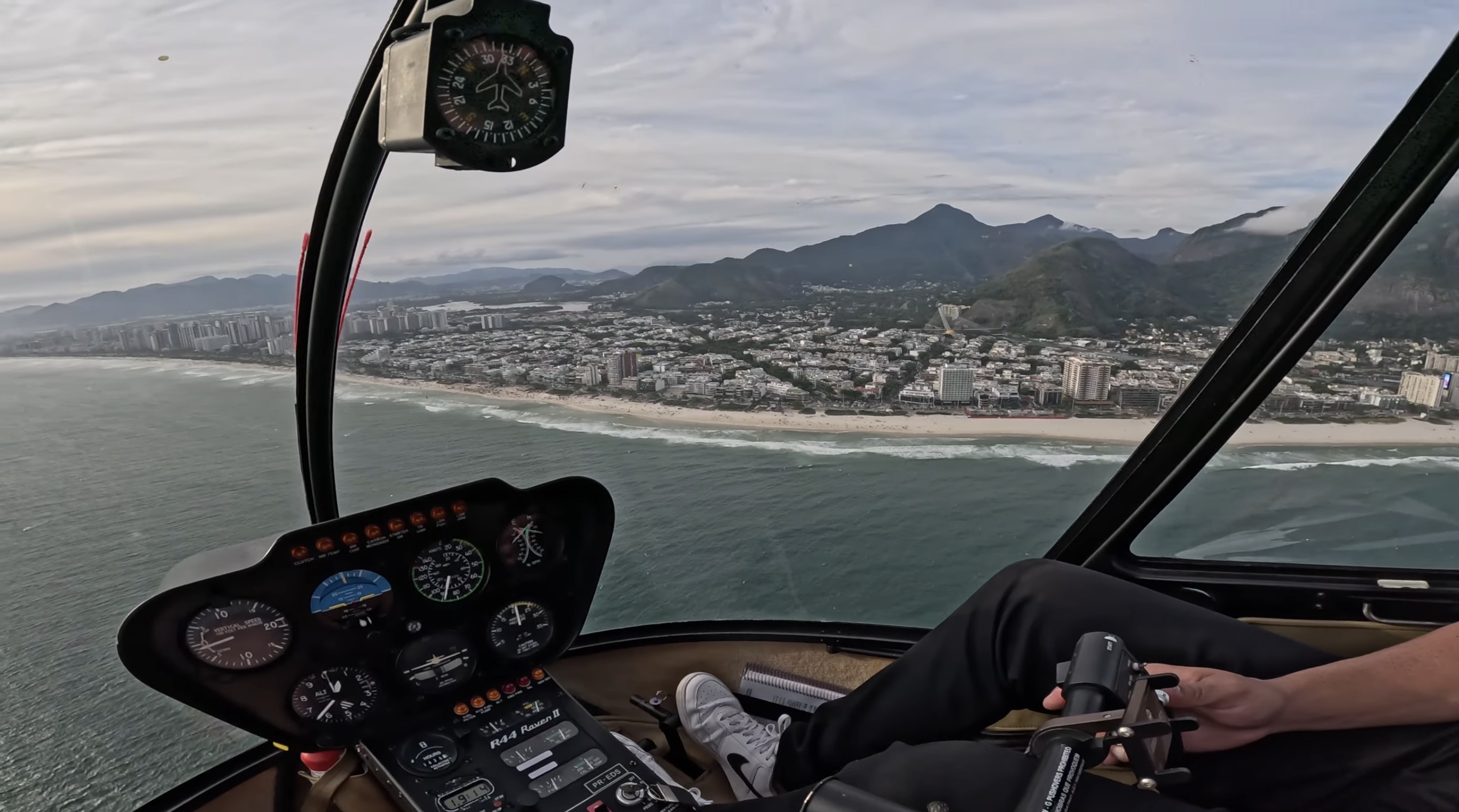
Helicopter Tour in Rio de Janeiro: Your Definitive Guide to a Premium Perspective A helicopter tour over Rio de Janeiro offers a unique and unforgettable perspective of the 'Marvelous City'. As local consultants, we understand the importance of planning this premium experience to ensure it is smooth and memorable. This guide will provide essential information for making informed decisions. Why Choose a Helicopter Tour? Beyond the panoramic views, a helicopter tour in Rio de Janeiro allows you to appreciate the city's spectacular geography, from iconic beaches to Christ the Redeemer and Sugarloaf Mountain, without the crowds and with unparalleled time efficiency. It is the most luxurious way to behold Rio's natural and urban beauty. Popular Routes and Duration The most requested routes typically include an aerial view of Christ the Redeemer, Sugarloaf Mountain, the beaches of Copacabana and Ipanema, and the Rodrigo de Freitas Lagoon. Duration varies, but standard flights usually last between 15 and 30 minutes. Longer options are available, extending up to 60 minutes for a more comprehensive tour. Best Time to Fly Visibility is crucial for a helicopter tour. The months of **April to September** (autumn and winter in Brazil) generally offer clearer skies and lower humidity, resulting in sharper views. However, Rio de Janeiro is a year-round destination. Avoid cloudy or rainy days, which are more common during the summer (December-February). Pricing and Booking Options Helicopter tour prices in Rio de Janeiro vary depending on flight duration, the company, and the type of helicopter. As a reference, a 15-minute flight can cost between 200 and 300 USD per person. Advance booking is highly recommended, especially during peak season (December-February and July). You can book directly with operating companies or through specialized travel agencies. Logistics and Departure Points Most flights depart from Lagoa Airport (at Rodrigo de Freitas Lagoon) or from helipads in the city's South Zone. Round-trip transportation to the departure point is generally the passenger's responsibility, although some companies offer premium transfer services at an additional cost. Be sure to confirm boarding and disembarking details. Safety Tips and Recommendations Safety is paramount. Authorized operating companies adhere to strict safety and maintenance protocols. Listen carefully to the pilot's instructions before and during the flight. It is recommended to wear comfortable clothing and avoid loose items that could interfere with operations. Cameras and cell phones are permitted, but ensure they are securely fastened. What to Expect During the Flight? Prepare for an intense sensory experience. The sound of the rotor, the feeling of freedom, and the ever-changing views are captivating. Pilots are usually bilingual and can provide information about points of interest. Most helicopters have large windows for optimal visibility. Premium Planning: Expert Consultant Tips * **Book in Advance:** Especially if traveling during peak season or desiring a specific time slot. * **Check the Weather:** Confirm the forecast the day before and on the day of your flight. * **Consider a Private Tour:** For a more intimate and personalized experience. * **Inquire About Photography/Videography Options:** Some companies offer professional services. * **Confirm the Cancellation Policy:** In case of bad weather or other unforeseen circumstances. A helicopter tour in Rio de Janeiro is an investment in unforgettable memories. With proper planning, this premium experience will become a highlight of your visit to this vibrant city.
Paragliding in Rio de Janeiro: The Best Time and Essential Tips for Your Flight
Best Time for Paragliding in Rio de Janeiro Choosing the right moment is crucial to enjoy a safe and spectacular paragliding experience in Rio de Janeiro. Although Rio offers opportunities to fly year-round, there are periods that guarantee better weather conditions and optimal views. Dry Season and Stable Winds (April to September) We consider the months from April to September to be the ideal season for paragliding in Rio. During this period, the city experiences its dry season, which translates into clearer skies and a lower probability of rain that could interrupt flights. Winds tend to be more consistent and predictable, perfect conditions for a smooth takeoff and landing, as well as for enjoying a pleasant flight over the city and the coast. Low and High Season Considerations If you are looking for a more relaxed experience and potentially more affordable prices, the low season (outside of Brazilian school holidays and major public holidays) can be an excellent option. However, keep in mind that some operators may have less flexibility in their schedules. The high season, especially during summer (December to March), offers warm and vibrant weather, but it can also mean a higher influx of tourists and sometimes more erratic winds due to summer storms. Logistics and Planning Your Paragliding in Rio de Janeiro Good logistical planning is essential for your paragliding adventure in Rio de Janeiro to go smoothly. Bookings and Certified Operators It is highly recommended to book your flight in advance, especially if you are traveling during high season. Research and choose paragliding operators with a good reputation and valid certifications. At our agency, we work exclusively with companies that meet the highest safety standards and have experienced pilots with up-to-date licenses. Always inquire about the pilot's experience and the safety measures they implement. Takeoff and Landing Sites The most common takeoffs for paragliding in Rio de Janeiro are from Pedra Bonita, in São Conrado. The views from this spot are breathtaking. Landing is usually done on São Conrado beach. Ensure your package includes transportation from your hotel to the takeoff point and return from the landing area. Prices and What Your Flight Includes Prices for a paragliding experience in Rio de Janeiro can vary depending on the operator, flight duration, and whether additional services like video recording and photographs are included. A standard tandem flight typically costs between 300 and 500 Brazilian Reais. Most packages include equipment, basic instruction, and the flight with a certified instructor. Always confirm what is included before making your reservation. Safety Tips for Your Paragliding Flight Safety is the top priority when paragliding in Rio de Janeiro. Follow these recommendations to ensure a safe and enjoyable experience. Weather Conditions Even if you have chosen the best time of year, professional pilots assess real-time weather conditions before each flight. Trust their judgment; if conditions are not optimal, the flight may be rescheduled. Safety first. Equipment and Appropriate Attire The operator will provide the necessary safety equipment (harness, helmet). Wear comfortable, sporty clothing, preferably long pants and closed-toe shoes. Avoid sandals or loose clothing that could interfere with the equipment or the flight. If you are visiting during the cooler season (June-August), consider bringing a light jacket. Pilot's Instructions Pay close attention to your pilot's instructions before and during the flight. They are experts and will guide you through every step, from takeoff to landing. Do not hesitate to ask if you have any questions. Additional Tips for Your Paragliding Experience To maximize your enjoyment and ensure a smooth paragliding experience in Rio de Janeiro, consider these points: Hydration and Sun Protection Even in the cooler months, the sun in Rio can be intense. Make sure you are well-hydrated and wear sunscreen before heading to the takeoff point. Flexibility in Your Itinerary Although you plan in advance, allow for some flexibility in your day. Flights may be delayed or rescheduled due to unforeseen weather conditions. Having a backup plan will help you stay calm and enjoy the process. Capture Your Memories Most operators offer photo and video packages. Although it may be an additional cost, it is an excellent way to relive your paragliding experience in Rio de Janeiro. Ensure the recording equipment is securely attached and that the pilot knows you wish to capture specific moments. Planning your paragliding in Rio de Janeiro with these recommendations will allow you to enjoy one of the city's most thrilling aerial activities with complete confidence and safety.
Rio de Janeiro in 5 Days: The Definitive Guide to Accommodation and Activities
Organizing an efficient itinerary to make the most of a 5-day visit to Rio de Janeiro requires strategic planning. As a local consultant, my goal is to provide practical information so that your experience is smooth and memorable. This guide focuses on optimizing your time, ensuring you experience the essence of the 'Marvelous City'. Planning Your Visit: What to Do in Rio de Janeiro in 5 Days Five days are enough to capture the essence of Rio, combining its iconic attractions with moments of local immersion. The order of activities can be adjusted according to your interests and daily logistics. Day 1: Icons and Panoramic Views Start your tour with Christ the Redeemer. I recommend buying tickets online in advance to avoid queues. Access is mainly via the Corcovado Train or authorized vans. In the afternoon, head to Sugarloaf Mountain. The cable car ride offers spectacular views, especially at sunset. Day 2: Beaches and Urban Life Dedicate the morning to the famous beaches of Copacabana and Ipanema. Walk along the boardwalk, enjoy the sun, or take a surf lesson. In the afternoon, explore the Leblon neighborhood, known for its sophisticated atmosphere and great restaurants. Day 3: Culture and History in the City Center Rio's historic center offers a rich dose of culture. Visit the Municipal Theater, the National Library, and the Museum of Tomorrow. Don't miss the colorful Selarón Steps in Lapa, an unmissable photo spot. Day 4: Nature and Relaxation For a break from the city, visit the Botanical Garden, an oasis of tranquility with a vast collection of flora. Alternatively, consider a hike in Tijuca National Park, the largest urban forest in the world, with waterfalls and trails. Day 5: Local Experience or Shopping Depending on your flight, you can dedicate the morning to souvenir shopping at the Ipanema Hippie Fair (if it falls on a Sunday) or enjoy a last stroll on the beach. Another option is to visit the Santa Teresa neighborhood, with its bohemian charm and unique views. Where to Stay in Rio de Janeiro The choice of neighborhood for accommodation directly impacts your experience. Here are my recommendations: Copacabana and Ipanema These are the most popular and convenient options. They offer easy access to the beaches, a wide range of hotels for all budgets, restaurants, and public transport. They are ideal for those looking to be in the heart of the action. Leblon A quieter and more exclusive extension of Ipanema. It's perfect if you prefer a more relaxed environment, with luxury boutiques and fine dining restaurants. Accommodation tends to be more expensive. Santa Teresa For a more bohemian and artistic experience. This hillside neighborhood offers charming guesthouses and panoramic views. Access can be a bit more complicated, but the atmosphere is incomparable. Barra da Tijuca A more modern and extensive area, ideal if you are looking for resorts, quieter beaches, and a less touristy environment. It requires more transportation planning to access the main attractions. Logistics and Practical Tips Best Time to Visit The high season occurs during summer (December-March), coinciding with Carnival. Prices are higher and there are more crowds. The months of April to June and September to November offer pleasant weather with fewer tourists and more affordable prices. Prices and Tickets Prices vary according to the season. Christ the Redeemer and Sugarloaf Mountain are the attractions with the most significant costs. Consider purchasing the RioCard if you plan to use public transport frequently. Museum tickets are generally affordable. Safety Tips As in any big city, it's important to take precautions. Keep your belongings safe, avoid displaying valuables, and be aware of your surroundings, especially at night. Use recognized taxis or ride-sharing apps. Do not venture into unknown areas without a local guide. By following this guide, you can optimize your 5-day visit to Rio de Janeiro, ensuring an experience rich in culture, natural beauty, and unforgettable moments.
The Best Beaches in Rio de Janeiro: An Expert Guide to Itineraries and Transportation
As a senior consultant in Rio de Janeiro, my goal is to provide you with the essential information to make the most of your time on our shores. The best beaches in Rio de Janeiro are not just postcards; they are hubs of cultural and social activity that require smart logistical planning. Strategic Planning for Your Visit Best Time to Visit The high season, from December to February, offers the warmest and sunniest weather, ideal for the beach. However, it is also the busiest and most expensive time. The months of March to May and September to November present pleasant weather with fewer crowds, allowing for a more relaxing experience at Rio de Janeiro's best beaches. Suggested Itineraries by Zone South Zone (Copacabana, Ipanema, Leblon): Dedicate at least 2-3 days to this iconic area. Start with the famous Copacabana, perfect for a morning stroll or a game of volleyball. In the afternoon, head to Ipanema to enjoy its vibrant atmosphere and sunset views from Arpoador. Leblon, more exclusive, is perfect for a leisurely lunch and a swim.Barra da Tijuca and Recreio: If you're looking for more expansive and less crowded beaches, set aside a full day. Barra da Tijuca is ideal for surfers and water sports enthusiasts. Recreio dos Bandeirantes offers a wilder, more natural environment, with nearby hiking trails. Other Beaches (Prainha, Grumari): For a full-day escape, consider these natural gems west of the city. They require private transportation or a dedicated day for adventure. They are perfect for those seeking tranquility and scenic beauty. Transportation and Logistics Tips Getting Around Subway: Rio's subway is efficient and safe for accessing the South Zone beaches (Copacabana, Ipanema, Leblon). It's the fastest and most economical option to avoid traffic. Bus: An extensive network covers the entire city, but it can be confusing for non-locals and slower due to traffic. Useful for reaching areas not covered by the subway. Ride-Sharing Apps (Uber, 99): Widely available and a convenient option, especially for direct routes or reaching more distant beaches like Barra da Tijuca or Recreio. Taxi: Available, but generally more expensive than ride-sharing apps. On Foot: The South Zone beaches are connected by a boardwalk, ideal for exploring on foot or by bike. Safety Tips Always keep your belongings in sight. Avoid displaying valuables. Be aware of your surroundings, especially in crowded areas. At dusk, it is advisable to move away from more isolated beaches. Dining and Services Each beach has kiosks (barracas) offering everything from fresh coconut water to full meals. Ipanema and Leblon have more sophisticated dining options in their surrounding areas. Copacabana is vibrant with choices for every taste. When planning your visit to Rio de Janeiro's best beaches, remember that preparation is key to a smooth and enjoyable experience.
Ideal Season to Visit Brazil's Best Beaches: Strategic Planning
Strategic Planning for Brazil's Best Beaches Brazil, with its vast coastline, offers a spectrum of beach experiences to satisfy every type of traveler. From the vibrant coasts of the Northeast to the serene bays of the South, choosing the right season is crucial to maximize your enjoyment. As local consultants, we understand the climatic and logistical nuances that differentiate a good visit from an exceptional one. Best Time to Visit Brazil's Best Beaches The 'ideal season' varies significantly depending on the region and your personal preferences: Northeast (Bahia, Pernambuco, Ceará, etc.): The climate is predominantly hot and sunny year-round. However, the rainy season typically occurs between April and July. To enjoy full sun and less precipitation, the months from September to February are excellent. The waters are warm and perfect for diving and snorkeling, especially in places like Fernando de Noronha or Porto de Galinhas. Southeast (Rio de Janeiro, São Paulo): Summer (December to March) is hot and humid, ideal for those seeking a festive atmosphere and crowded beaches, like Copacabana or Ipanema. However, there can be sporadic rain showers. The months from April to June and September to November offer milder weather, fewer crowds, and mostly clear skies, making them excellent for exploring the beaches of Búzios or Ilha Grande. South (Santa Catarina, Rio Grande do Sul): Summer here is milder than in the Northeast, with pleasant temperatures. However, the water can be colder. Spring (September to November) and Autumn (March to May) are ideal for enjoying beaches like Joaquina or Praia do Rosa, with moderate temperatures and spectacular landscapes. Logistics and Transportation Advance planning is key, especially if you are traveling during high season (December-February and July). Flights: Book in advance to secure better fares, especially for major airports like Rio de Janeiro (GIG/SDU) or Salvador (SSA). Consider internal flights for travel between regions. Accommodation: Availability and prices fluctuate. Hotels and guesthouses in the most popular areas sell out quickly. For Brazil's best beaches, advance booking is essential. Local Transport: In large cities, public transport and ride-sharing apps are efficient. For more remote destinations, consider renting a car or hiring private transfers. Safety and Well-being Tips Safety is a priority to fully enjoy Brazil's best beaches. Sun Protection: The tropical sun is intense. Use high-SPF sunscreen, a hat, and sunglasses. Stay hydrated. Valuables: Be discreet with your belongings on the beach. Avoid bringing high-value items. Local Information: Consult your hotel or local guides about safe areas and specific precautions for each beach. Health: Consult your doctor about recommended vaccinations and pack a small first-aid kit. Recommended Activities Beyond the sun and sea, Brazil's best beaches offer: Water Sports: Surfing, kitesurfing, windsurfing, diving, and snorkeling are popular on many coastlines. Excursions: Visits to nearby islands, boat trips, hikes through natural parks. Culture and Gastronomy: Enjoy local music, dance, and exquisite Brazilian cuisine at beachfront restaurants. Strategic planning, considering the ideal season and logistics, will allow you to have a memorable experience at Brazil's best beaches. We are at your disposal to design the perfect itinerary.
Best Time for Hang Gliding in Rio de Janeiro: Maximize Your Experience
Best Time for Hang Gliding in Rio de Janeiro To maximize your hang gliding experience in Rio de Janeiro, choosing the right time is crucial. Although Rio offers flying opportunities year-round, certain periods guarantee more favorable weather conditions and ideal visibility. Ideal Season: Summer and Early Autumn (December to May) The summer months (December to March) and early autumn (April to May) generally present the most consistent conditions for hang gliding. During this period, winds tend to be more stable, and thermals (rising air currents) are stronger, allowing for longer and smoother flights. The sky is usually clear, offering spectacular panoramic views of the city, beaches, and ocean. Off-Season Considerations The winter months (June to August) can be windy, which may sometimes lead to cancellations due to very strong or unpredictable wind conditions. However, the cooler days can be an advantage for some. The rainy season (typically November to March, though it can vary) might bring cloudy days or storms that prevent flying. Logistics and Preparation for Your Hang Gliding Flight Bookings and Operators It is highly recommended to book your flight in advance, especially if you are traveling during the high season. Research and choose hang gliding operators in Rio de Janeiro with a good reputation, valid licenses, and an impeccable safety record. Most operators offer packages that include transportation to the launch ramp at Pedra Bonita, the necessary equipment, and instruction from a certified pilot. Prices and Tickets Prices vary depending on the operator, flight duration, and whether additional services like video recording and photos are included. As a reference, a standard tandem flight can range from R$400 to R$800 (Brazilian Reais). There is generally no specific entrance fee to access the launch ramp beyond what is included in the operator's package. What to Bring Wear comfortable, sporty clothing. Long pants and closed-toe shoes are recommended. The weather at the top of Pedra Bonita can be slightly cooler than at the beach, so a light jacket might be useful. Don't forget sunscreen and sunglasses. Safety Tips and Recommendations Trust Your Pilot Safety is paramount. Ensure that the pilot accompanying you has the necessary certification and experience. Do not hesitate to ask about their credentials. Most flights are tandem, meaning you will fly with an experienced instructor who will handle all the piloting. Weather Conditions Operators constantly monitor weather conditions. If the weather is not safe for flying, your flight will be rescheduled or refunded. Flexibility is key when it comes to outdoor activities in Rio. Enjoy the Moment Once in the air, relax and enjoy the unparalleled views. Hang gliding in Rio de Janeiro is a unique opportunity to see the city from a completely new perspective. Follow your pilot's instructions and prepare for a memorable experience. Planning your visit considering the best time for hang gliding in Rio de Janeiro will allow you to make the most of this exciting activity. We await you for an unforgettable adventure!
Definitive Guide to Your Paragliding Experience in Rio de Janeiro: Expert Tips
Paragliding in Rio de Janeiro: An Expert Perspective Paragliding in Rio de Janeiro offers a unique perspective of the 'Marvelous City'. As local consultants, we understand that a successful experience goes beyond the thrill of flight; it involves careful planning and local knowledge. This guide has been crafted to provide essential information for your paragliding adventure to be safe, smooth, and memorable. Best Time to Fly The ideal season for paragliding in Rio de Janeiro spans from September to March. During this period, winds are usually more consistent, and the weather tends to be more stable, with clear skies that maximize the views. Avoid days with heavy rain or excessively strong winds, which can be dangerous and lead to cancellations. Popular Paragliding Spots Most paragliding operations in Rio de Janeiro are concentrated in two main locations: Pedra Bonita (Tijuca National Park): This is the most common and accessible option. It offers spectacular views of São Conrado beach, Pedra da Gávea, and the Atlantic Ocean. Take-off is relatively easy, and the area is known for its favorable flying conditions. Grumari: For a more secluded experience away from the hustle and bustle, Grumari offers stunning coastal landscapes with pristine beaches and cliffs. Conditions here can be more challenging, but the visual reward is immense. Prices and What Packages Include Prices for a paragliding experience in Rio de Janeiro vary, but generally range between R$ 850 and R$ 1100 (Brazilian Reais). Most packages include: Tandem flight with a certified instructor. All necessary safety equipment. Transportation from a meeting point to the take-off area. Sometimes, photos and videos of the flight (check if included or if they are an extra). It is crucial to book in advance, especially during high season. Look for operators with good reviews and safety certifications. Essential Safety Tips Safety is paramount when paragliding in Rio de Janeiro. Follow these recommendations: Choose a Certified Operator: Ensure the company has experienced and certified pilots by Brazilian (ABVL) or international paragliding associations. Listen to Your Instructor: Pay attention to all instructions before and during the flight. They know the conditions and safety procedures. Weather Conditions: Do not hesitate to ask about the day's conditions. If the weather is not ideal, it is best to postpone the flight. Adequate Equipment: Confirm that the equipment is in good condition and fits correctly. Weight and Health: Inform the operator about any pre-existing medical conditions and respect the established weight limits. Local Logistics and Additional Tips Transportation: The easiest way to get to Pedra Bonita is by taxi or private transport service. If you opt for public transport, you will need to combine buses and a walk. Operators usually offer convenient meeting points. Attire: Wear comfortable, sporty clothing, preferably long pants and closed-toe shoes. Bring a light jacket, as the temperature can be milder at altitude. Photography and Video: If you wish to record your experience, ask about onboard camera options. Pilots often carry GoPro cameras and can provide the footage after the flight. Expectations: Paragliding in Rio de Janeiro is a regulated activity. Flights may be canceled or postponed due to adverse weather conditions. Be flexible with your itinerary. With this guide, you are better prepared to enjoy a safe and thrilling paragliding experience in Rio de Janeiro. Contact us to help coordinate the details and secure your spot in the Carioca sky!
Beyond Cristo Redentor: Discover Rio de Janeiro's Hidden Treasures
Rio de Janeiro: Much More Than an Iconic Postcard When you think of Rio de Janeiro, it's almost impossible not to imagine the majestic statue of Cristo Redentor, embracing the city from atop Corcovado. However, this vibrant and contrasting Brazilian metropolis offers a universe of experiences that go far beyond its emblematic monuments. As a travel and SEO specialist, I invite you to dive into Rio's best-kept secrets, discovering places and experiences that will connect you with the true Carioca soul. Exploring Neighborhoods with Their Own Charm Although Copacabana and Ipanema are world-famous, Rio hides neighborhoods with unique personalities that deserve to be explored: Santa Teresa: Bohemian Charm and Art at Heights This bohemian neighborhood, perched on a hill with spectacular views, will transport you to another era. Its cobblestone streets, colonial mansions, and yellow trams (though sometimes out of service, their spirit endures) invite you to wander aimlessly. Here you will find: Artist Studios: Many local artists have their studios open to the public, offering an intimate glimpse into Rio's art scene. Charming Restaurants and Bars: Enjoy local gastronomy in cozy establishments with panoramic views. Escadaria Selarón: Although already a well-known spot, its colorful tile mosaic is an open-air work of art connecting Santa Teresa to Lapa. Lapa: The Nightlife and Cultural Heart Famous for its Arcos da Lapa, an old aqueduct that is now a city symbol, this neighborhood truly comes alive at night. It's the epicenter of samba and live music, but it also offers daytime treasures: Authentic Nightlife: Immerse yourself in bars and samba clubs where the music flows until dawn. Historic Architecture: Stroll through its streets and admire the early 20th-century architecture. Craft Fairs: On weekends, craft markets offer unique local products. Secret Beaches and Natural Refuges Beyond the bustling Copacabana and Ipanema, Rio de Janeiro boasts quieter beaches and natural paradises: Praia da Joatinga: The Hidden Gem Considered one of Rio's most beautiful and exclusive beaches, Joatinga is a small paradise accessible only during low tide. Its golden sand and crystal-clear waters, surrounded by lush vegetation, make it an idyllic place to relax. Parque Lage: A Romantic Oasis This public park, located at the foot of Corcovado, is a perfect escape from the urban hustle. With its historic mansion (housing a visual arts school and a café), winding trails, waterfalls, and rich biodiversity, it's ideal for a peaceful and romantic stroll. Prainha and Grumari: Surfers' and Nature Lovers' Paradise Located in Rio's west zone, these wild beaches are perfect for those seeking nature in its purest form. They are popular destinations for surfers and offer stunning landscapes, far from the crowds. Unforgettable Cultural Experiences For a complete immersion in Carioca culture, consider these activities: Visit the Museum of Tomorrow Located in the revitalized port area, this interactive science museum is an architectural marvel and a reflection on the future of our planet. Its futuristic design and innovative exhibitions make it a must-visit. Explore the Botanical Garden A biodiversity sanctuary with thousands of plant species, including the famous imperial palms. It's a perfect place to disconnect, learn about Brazilian flora, and enjoy tranquility. Attend a Football Match at Maracanã If you have the opportunity, experiencing the passion of football at the legendary Maracanã Stadium is an electrifying experience that will immerse you in Brazil's sports culture. Tips for Your Rio de Janeiro Adventure To make the most of your trip to Rio de Janeiro and discover its hidden treasures: Get Around Like a Local: Use the subway, buses, or ride-sharing services to explore different neighborhoods. Be Curious: Don't be afraid to venture off the usual tourist paths. Often, the best discoveries are made by chance. Interact: Talk to locals, ask about their favorite spots. Cariocas are friendly and will be happy to share their secrets. Safety: As in any big city, stay aware and take basic precautions, especially in crowded areas or at night. Rio de Janeiro is a city of endless possibilities. By venturing beyond the obvious, you'll discover a cultural, natural, and human richness that will captivate you and make you want to return again and again.